

































Traditional Japanese Kimono
Traditional Japanese Kimono
-

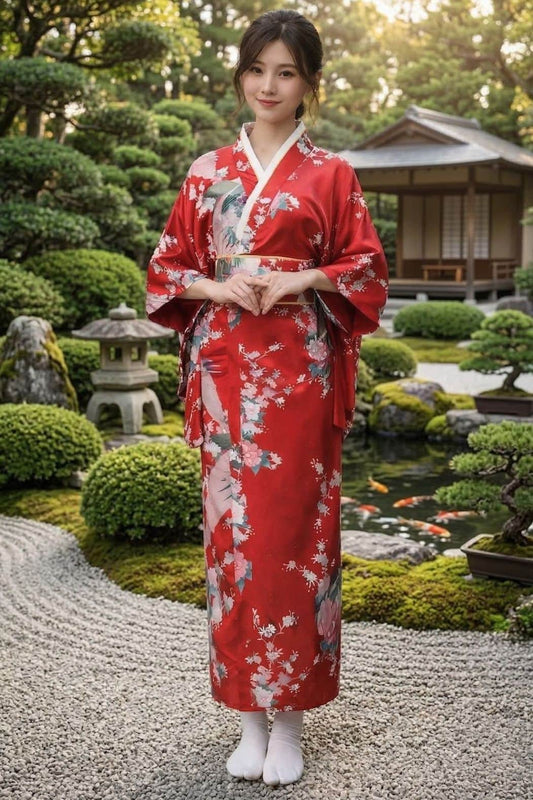
Women's Kimono Japan | Ancestral Elegance
Regular price 59,90 €Sale price 59,90 € Regular priceUnit price per0,00 € -

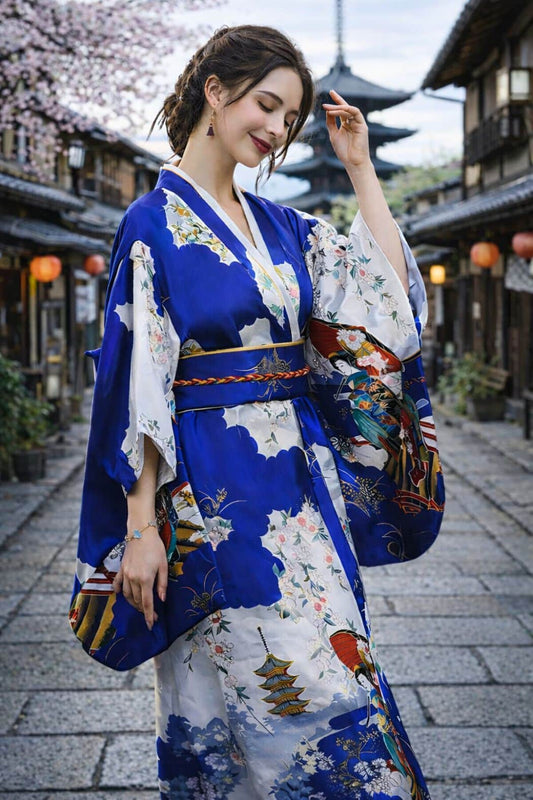 -18%
-18%Traditional Japanese Kimono | Brilliance and Refinement
Regular price 59,90 €Sale price 59,90 € Regular priceUnit price per72,90 €-18% -

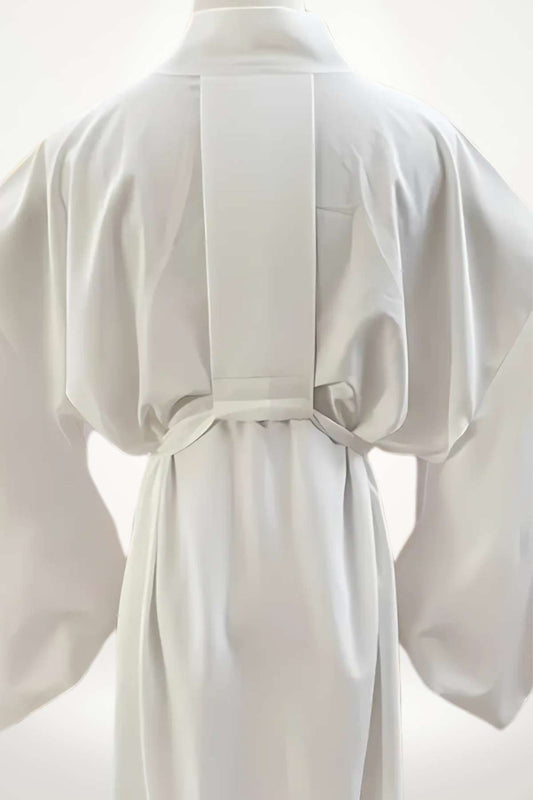
White Kimono | Tradition and Purity Combined
Regular price 49,90 €Sale price 49,90 € Regular priceUnit price per -

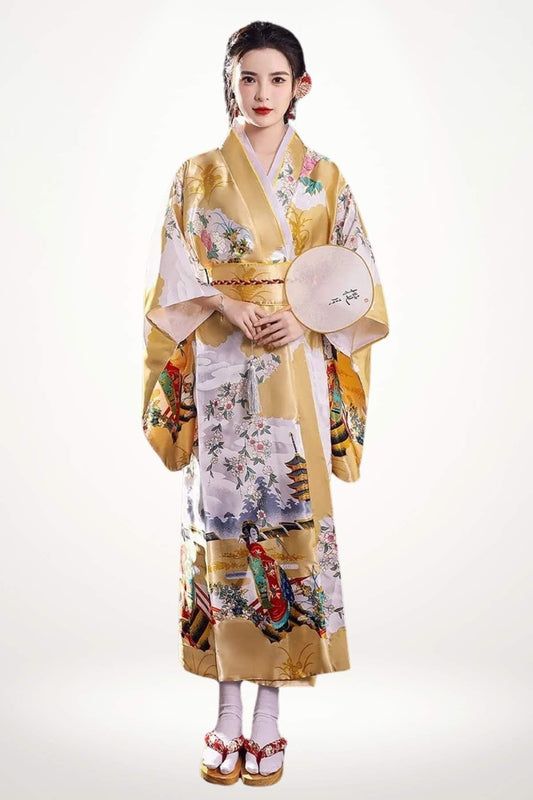 -18%
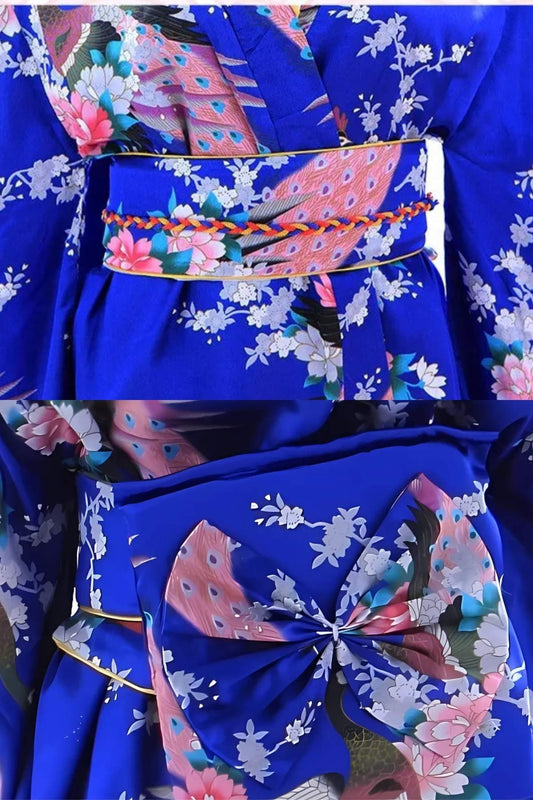
-18%Patterned Kimono | The Art of Japanese Patterns
Regular price 59,90 €Sale price 59,90 € Regular priceUnit price per72,90 €-18% -

 -18%
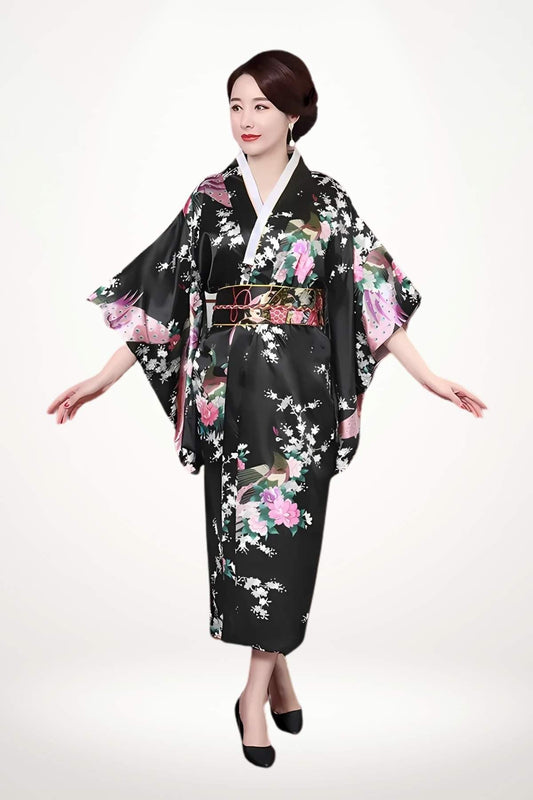
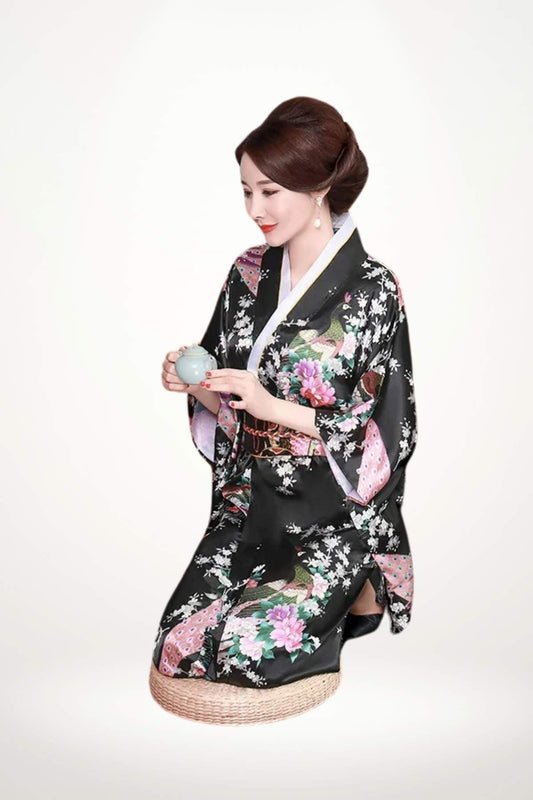
-18%Patterned Kimono | Unique Artistic Touch
Regular price 59,90 €Sale price 59,90 € Regular priceUnit price per72,90 €-18% -
 -18%
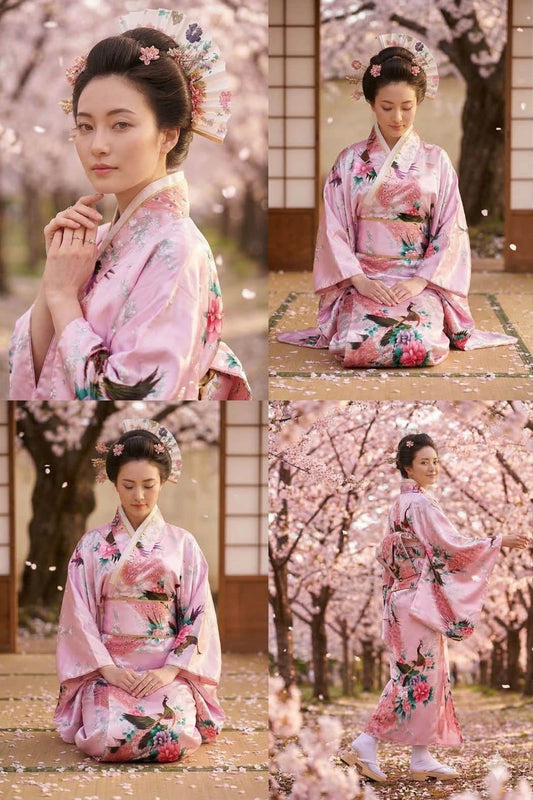
-18%Patterned Kimono | Colorful Japanese Elegance
Regular price 59,90 €Sale price 59,90 € Regular priceUnit price per72,90 €-18% -

 -18%
-18%Pink Kimono Dress | Very Refined Style
Regular price 59,90 €Sale price 59,90 € Regular priceUnit price per72,90 €-18% -

 -18%
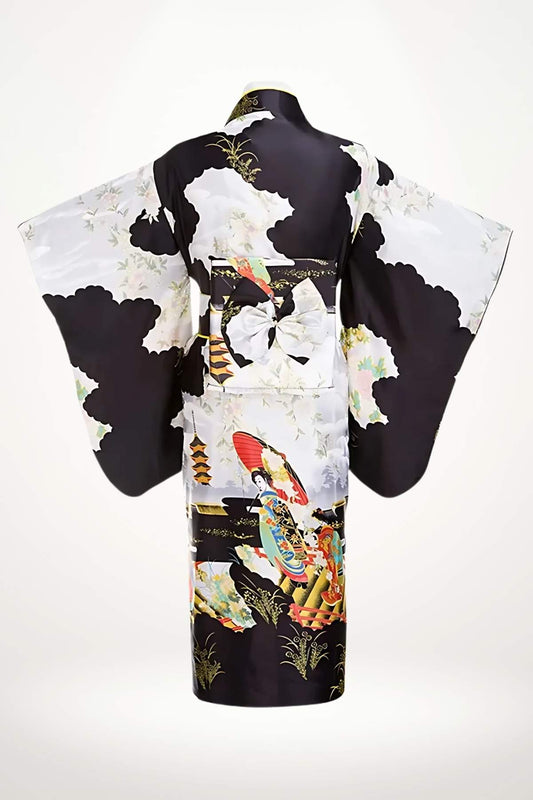
-18%Traditional Japanese Women's Kimono | The Art of Satin
Regular price 59,90 €Sale price 59,90 € Regular priceUnit price per72,90 €-18% -

 -18%
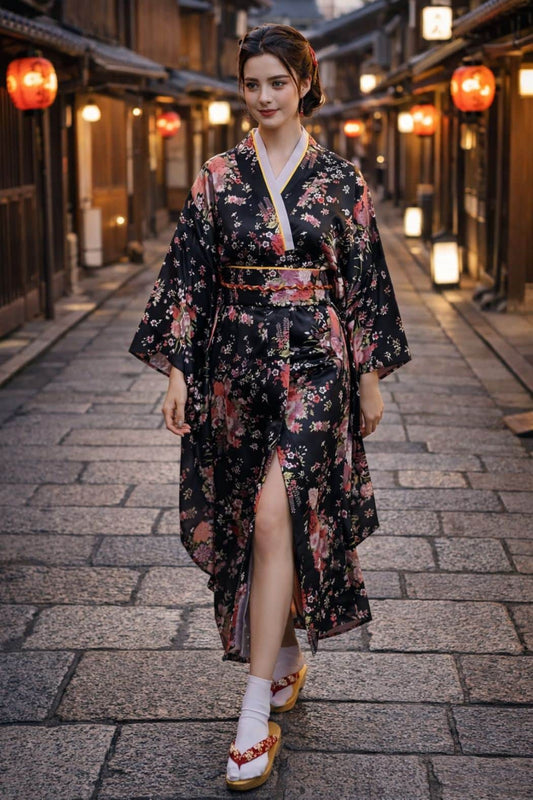
-18%Patterned Kimono | Authentic Japanese Style
Regular price 59,90 €Sale price 59,90 € Regular priceUnit price per72,90 €-18% -

 -18%
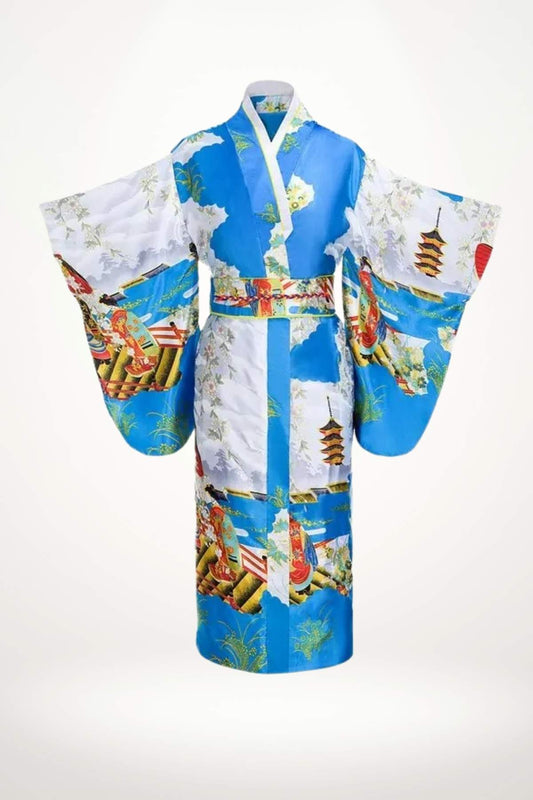
-18%Traditional Japanese Kimono for Women | Chic and Light
Regular price 59,90 €Sale price 59,90 € Regular priceUnit price per72,90 €-18% -

 -18%
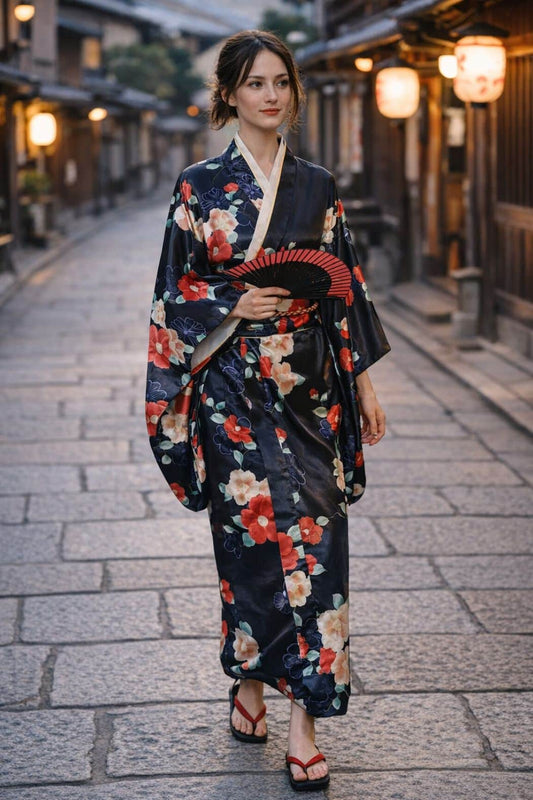
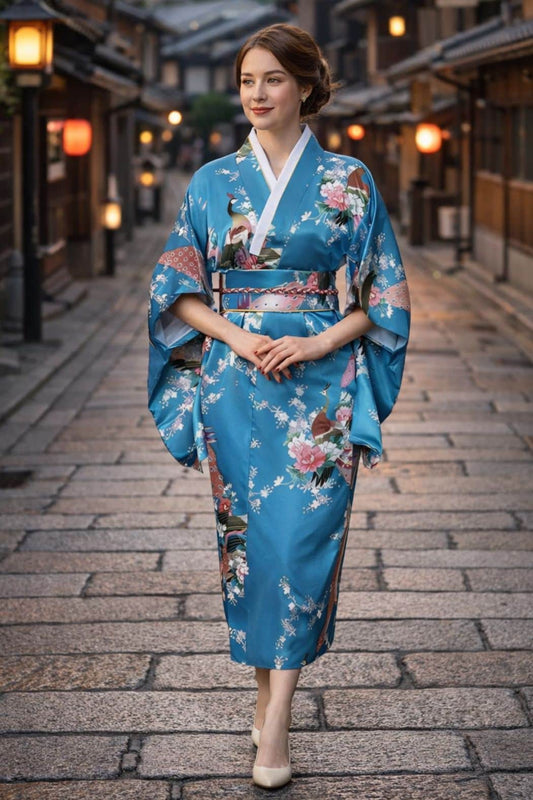
-18%Traditional Women's Kimono | Japanese Softness
Regular price 59,90 €Sale price 59,90 € Regular priceUnit price per72,90 €-18% -

 -18%
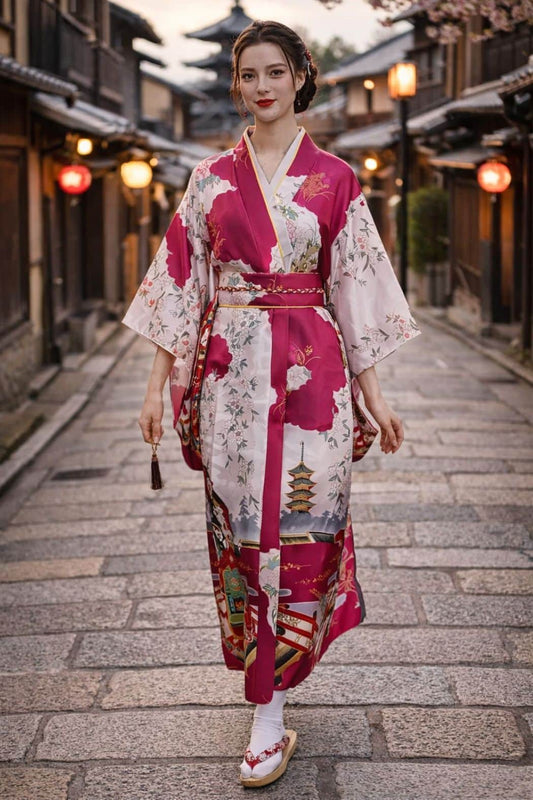
-18%Women's Satin Kimono | Lightweight and Luxurious Style
Regular price 59,90 €Sale price 59,90 € Regular priceUnit price per72,90 €-18% -

 -18%
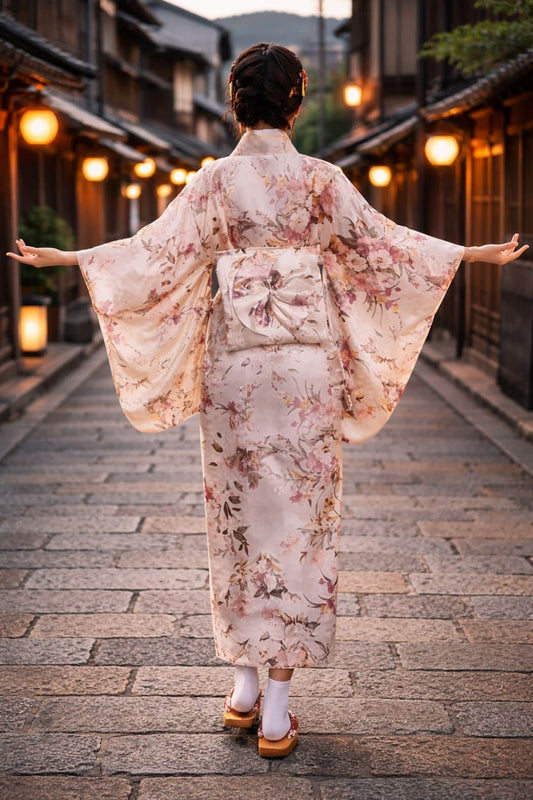
-18%Traditional Japanese Kimono for Women | Light of Japan
Regular price 59,90 €Sale price 59,90 € Regular priceUnit price per72,90 €-18% -

 -18%
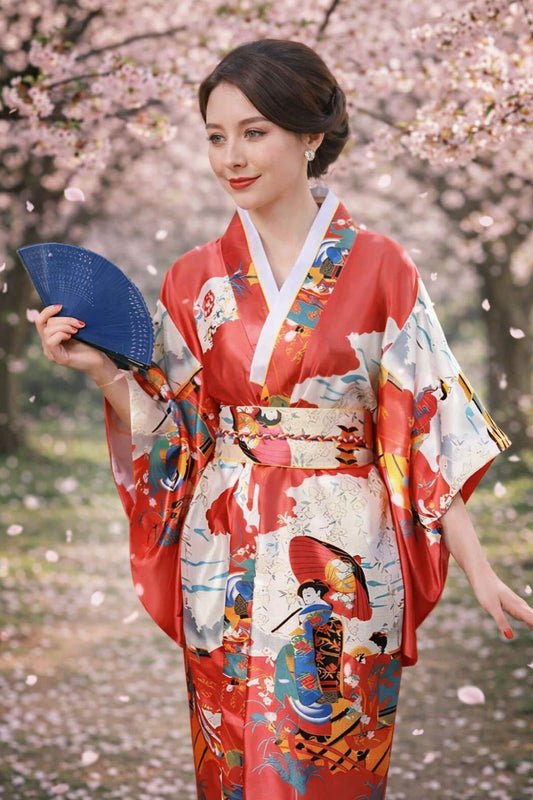
-18%Kimono Traditional Japanese Clothing | Japanese Softness
Regular price 59,90 €Sale price 59,90 € Regular priceUnit price per72,90 €-18% -

 -18%
-18%Women's Satin Kimono | Satin Elegance
Regular price 59,90 €Sale price 59,90 € Regular priceUnit price per72,90 €-18% -

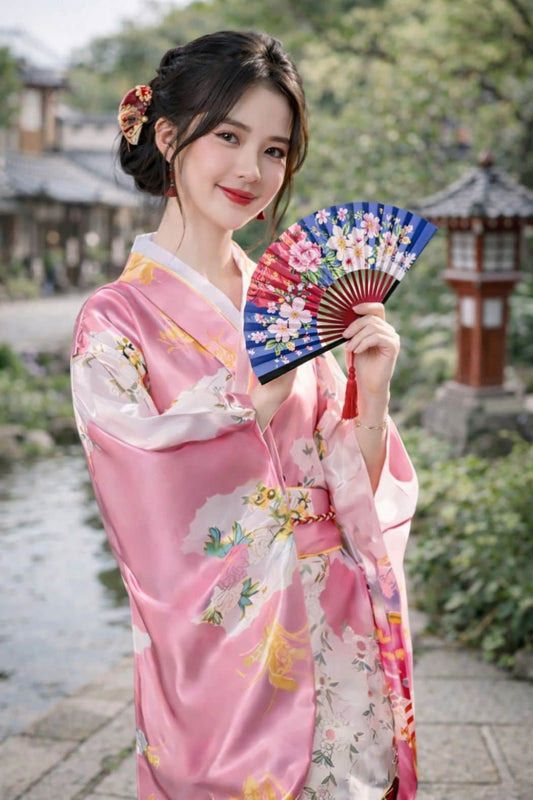 -18%
-18%Japanese Women's Kimono | Tradition and Refinement
Regular price 59,90 €Sale price 59,90 € Regular priceUnit price per72,90 €-18% -

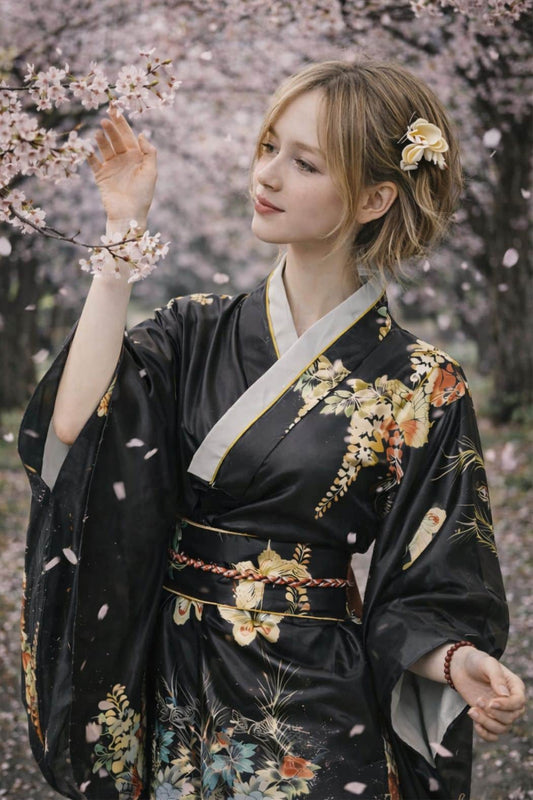 -18%
-18%Women's Kimono | Pure Japanese Elegance
Regular price 59,90 €Sale price 59,90 € Regular priceUnit price per72,90 €-18% -

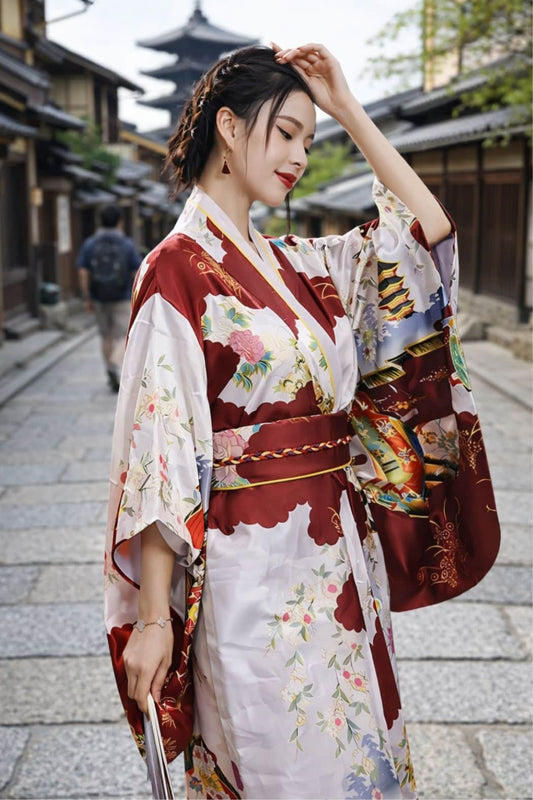 -18%
-18%Women's Kimono | Timeless Chic Japanese Beauty
Regular price 59,90 €Sale price 59,90 € Regular priceUnit price per72,90 €-18% -

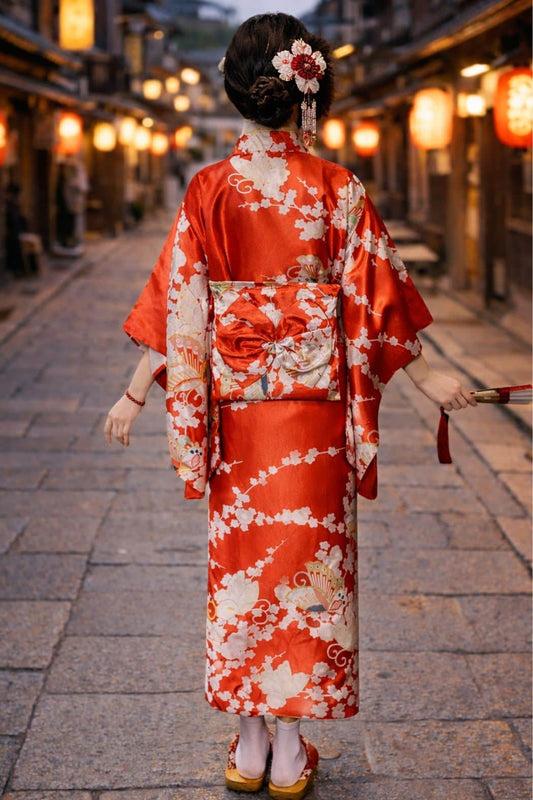 -18%
-18%Women's Kimono | Timeless Japanese Beauty
Regular price 59,90 €Sale price 59,90 € Regular priceUnit price per72,90 €-18% -

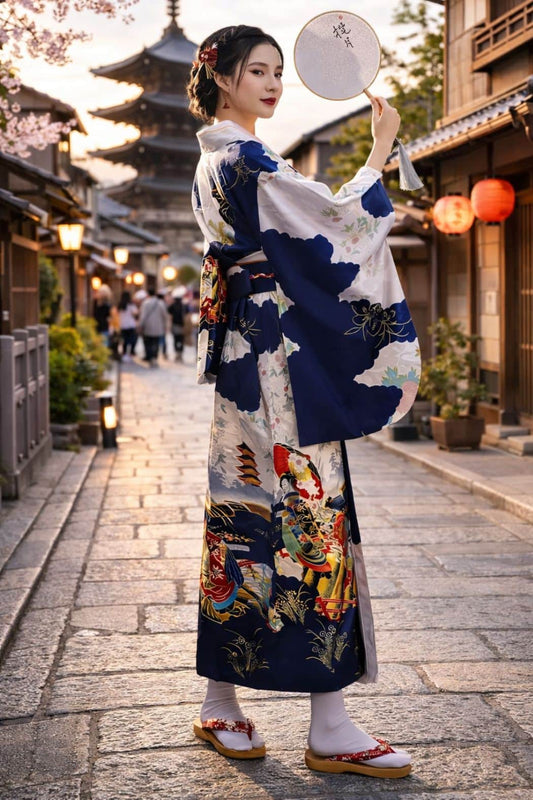
Women's Kimono | Art and Grace of Japan
Regular price 59,90 €Sale price 59,90 € Regular priceUnit price per0,00 €


Traditional Japanese Kimono for Women
The kimono is one of the most recognizable traditional Japanese garments in the world. Behind its patterns and enveloping silhouette lies a history spanning millennia and unique craftsmanship. At Kimoky , our collection of traditional Japanese kimonos for women pays homage to this heritage—with pieces that are wearable today.
It's not simply a garment. It's a language. Every pattern, every color tells a story—Japanese tradition has codified the kimono over centuries. Understanding these codes allows you to wear a traditional women's kimono in a new way.
The traditional Japanese kimono — what you need to know before buying
Before choosing your kimono, here are some useful points to consider.
The traditional Japanese kimono can be recognized by a few key details:
- Left-over-right crossover collar
- Wide sleeves ( sode )
- Fold at the waist ( ohashori ) to adjust the length
- belt called obi tied in the back
Each of these codes has a specific function and meaning.
Traditional Japanese clothing also varies according to the occasion:
- The furisode , with long sleeves, is worn by young single women during ceremonies.
- The tomesode , with short sleeves and patterns only at the bottom, is reserved for married women on special occasions.
- The komon , with its repeating patterns, is the traditional Japanese women's everyday kimono.
Each type tells a story about the woman who wears it and about the Japanese society from which it originates.
Wearing a kimono is also a way of participating in a vibrant Japanese culture. Kimonos are worn during tea ceremonies, festivals, weddings, and rites of passage. Today, they remain a powerful symbol of identity and elegance in Japan.
Each motif has its own meaning: the peony for prosperity, the crane for longevity, cherry blossoms for fleeting beauty. Choosing a motif is choosing what you express.
Why wear a traditional Japanese kimono today?
Fashion evolves, but some Japanese garments transcend time without aging. The kimono is one of them. Its enveloping cut, long sleeves, and nature-inspired motifs—flowers, waves, cranes—make it a piece that is both beautiful and meaningful.
Wearing a traditional women's kimono today means choosing a garment that slows you down. It requires a little attention when dressing. It stands in opposition to effortless fast fashion. It's also a way to explore Japanese culture in a different way than as a tourist—through gesture, fabric, and the ritual of dressing.
Japanese kimonos for women are suitable for very different occasions: a ceremony, a cultural outing, a photo shoot, or simply the pleasure of wearing something beautiful at home.
More and more women in France are rediscovering the kimono as a fashion statement in its own right. Not as a costume, but as a chosen, confident garment, integrated into a contemporary wardrobe. The kimono can be worn over jeans, over a dress, or on its own in summer. It adapts effortlessly.
Our selection of traditional kimonos for women
At Kimoky , we offer a selection of Japanese kimonos for women designed to be worn — not just admired. Each piece is inspired by the codes of the traditional kimono: a wrap-around silhouette, a crossover collar, an obi belt, and Japanese-inspired patterns.
Our traditionally inspired designs offer an accessible alternative to the codes of the traditional Japanese women's kimono, without the price tag of collector's items. For occasions that call for a luxurious fabric, discover our selection of women's satin kimonos —pieces designed for those moments when you want to wear something that truly matters.
How to wear a traditional Japanese kimono for women
Wearing a traditional Japanese kimono requires knowing a few simple steps.
The collar always crosses from left to right. The reverse direction is reserved for the deceased in Japanese tradition — a detail not to be overlooked.
The obi belt is tied at the back for a formal kimono, and at the front for a yukata or a kimono worn indoors. There are dozens of ways to tie the obi —the taiko knot is the most common.
Accessories are an integral part of the outfit—in Japanese tradition, they are not a mere detail. Tabi , white socks with a split toe, are worn with zori or geta for a complete look. The sensu fan, tucked into the obi , adds a touch of understated and highly codified elegance.
At Kimoky , you will find a selection of Japanese fans and tabi socks to complement your kimono and create a coherent head-to-toe outfit.
A well-maintained kimono is passed down. Japanese wardrobes store kimonos carefully folded in sheets of washi paper, away from light and humidity. This is a good habit to adopt to preserve your garment.
For a modern look, the traditional women's kimono can also be worn open, like a long jacket over a simple outfit. It's an effortless way to incorporate Japanese culture into everyday style.
FAQ — Women's Traditional Japanese Kimono
What is the difference between a traditional Japanese kimono and a yukata?
The yukata is a simplified version of the traditional kimono, made of lightweight cotton and unlined. It is worn in summer, at festivals, or after bathing. The traditional Japanese women's kimono is more formal, more structured, and requires more accessories.
Is it acceptable to wear a traditional Japanese kimono for women without a special occasion?
Yes. Ceremonial kimonos are reserved for important events. But komon or yukata are perfectly suitable for an outing or a cultural visit.
What types of kimonos exist for women?
There are many types of kimonos depending on status and occasion: the furisode for young, unmarried women, the tomesode for married women, the houmongi for formal visits, the komon for everyday wear, and the yukata for summer. Each type corresponds to specific codes in Japanese tradition.
How to care for a traditional Japanese kimono?
A silk kimono should be dry cleaned. A cotton kimono should be hand-washed in cold water. Dry flat to maintain its shape.
Is the traditional kimono suitable for all body types?
The enveloping cut of the Japanese kimono naturally adapts to very different body shapes. The obi belt allows for precise adjustment at the waist.
How much does a real traditional Japanese kimono cost?
A handcrafted silk kimono can cost several thousand euros in Japan. Our traditionally inspired designs offer an affordable alternative, faithful to the aesthetics and codes of the Japanese kimono.

throughout France and Belgium

14 days to change your mind

Bank cards / PayPal / Shop Pay / Apple Pay

Response within 24 hours